Laptop Buying Guide: How to Verify the Exact Configuration Before You Buy
Use this laptop buying guide to match an exact SKU to your workload and verify hardware, display, ports, software, warranty, region, and price.

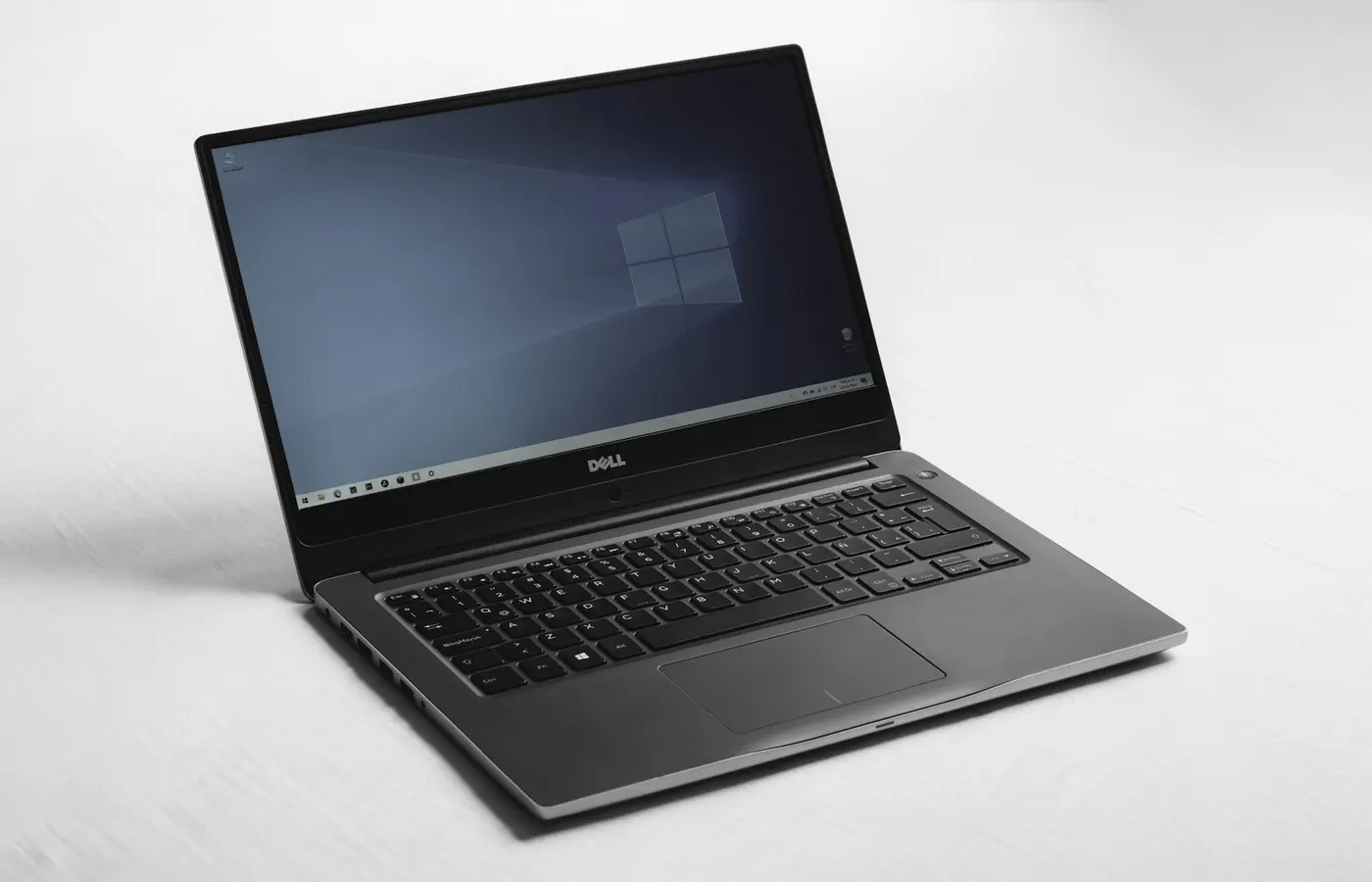
The safest laptop purchase is not the one with the most impressive family name or processor badge. It is the one whose exact configuration matches your workload, software, peripherals, and ownership requirements—and whose model number can be confirmed before you pay.
A single laptop family may be sold with different processors, memory arrangements, storage devices, displays, batteries, keyboards, chargers, operating systems, and regional warranty terms. Retailer listings may simplify or omit those differences. This laptop buying guide gives you a practical way to check the details that matter.
The central rule is simple: do not treat an unverified product-family name as the complete specification. Match the retailer’s exact part number or SKU with the manufacturer’s documentation, then check every requirement that would be difficult or expensive to change later.
Start With Your Workload and Non-Negotiables
Before comparing laptop families, write down what the computer must do. “Work,” “school,” or “creative use” is too broad to guide a configuration decision.
Separate your requirements into four groups:
- Required software: List the applications you must run, including their supported operating systems, hardware requirements, licensing restrictions, and any need for virtualization or enterprise management.
- Performance-sensitive tasks: Identify the heaviest recurring work, such as compiling large projects, editing high-resolution video, running virtual machines, processing large datasets, or playing a particular game.
- Connections and peripherals: Record the displays, docks, storage devices, card readers, wired networks, audio equipment, printers, and other accessories you expect to use.
- Ownership priorities: Note requirements for low weight, a quiet environment, long unplugged sessions, repair access, replaceable storage, a particular keyboard layout, warranty coverage, or a regional service route.
Then divide the list into must-haves, strong preferences, and optional features. This prevents a bright marketing badge from taking priority over a requirement that cannot be fixed later.
For software compatibility, check the application’s own documentation rather than inferring support from the laptop’s brand. A laptop may have enough nominal memory or processor capacity but still be unsuitable if the software requires a particular operating system, graphics API, processor platform, driver, or security feature.
Do not turn a general hardware recommendation into a guarantee. A higher processor tier, newer generation, or larger memory number does not by itself establish better performance, battery life, cooling, or value. The complete laptop design, power limits, firmware, cooling, software, and memory configuration all affect real behavior.
Find the Exact Model Number and SKU
The product-family name is a starting point, not an identification record. Look for the most specific identifier available:
- Manufacturer model number
- Part number or product number
- Retailer SKU or stock number
- Regional configuration code
- Exact processor and graphics combination
- Display resolution and refresh-rate combination
- Installed memory and storage capacity
You may find this information in the retailer’s technical details, the manufacturer’s configuration selector, a downloadable specification sheet, the support page, the box label, or a device label. A short marketing name such as “14-inch performance laptop” or “business notebook with Core 7” is not enough to prove the configuration.
Record the identifier before comparing prices. Search that exact code on the manufacturer’s website and confirm that the result describes the same chassis, processor, graphics hardware, memory, storage, display, operating system, charger, and regional variant.
The retailer’s information is useful but provisional. Retailers sometimes reuse a family description across several configurations, combine specifications from different variants, or leave important fields blank. Product photos can also show a port, keyboard, or display that is not present on every listed configuration.
A useful comparison record looks like this:
| Check | Retailer listing | Manufacturer documentation | Result |
|---|---|---|---|
| Exact part number | Confirmed or unresolved | ||
| Processor and graphics | Confirmed or unresolved | ||
| Memory arrangement | Confirmed or unresolved | ||
| Storage and expansion | Confirmed or unresolved | ||
| Display | Confirmed or unresolved | ||
| Ports and charger | Confirmed or unresolved | ||
| Operating system | Confirmed or unresolved | ||
| Warranty and region | Confirmed or unresolved |
If the retailer does not show a part number and the manufacturer offers several materially different versions, ask the seller for the exact identifier. If that information cannot be supplied, choose a listing with clearer configuration details rather than guessing.
Reconcile the Core Hardware Line by Line
Once you have an exact identifier, verify the components in order of replacement difficulty.
Processor and graphics
Write down the full processor name, not just a tier such as Core 5, Core 7, Ryzen 5, or Ryzen 7. Include the generation or platform designation where relevant and distinguish integrated graphics from a separate graphics processor.
For a discrete GPU, check the full model name and whether the manufacturer discloses the graphics power range or other configuration limits. Two laptops using the same broad GPU family can be configured differently. Do not assume that a shared GPU label means identical real-world performance.
For demanding applications, compare the exact hardware against the application’s requirements. If your work depends on a particular graphics feature, driver, video-encoding function, or platform capability, verify that requirement directly in the software documentation.
Memory
Check all of the following:
- Installed capacity
- Memory type and speed, if documented
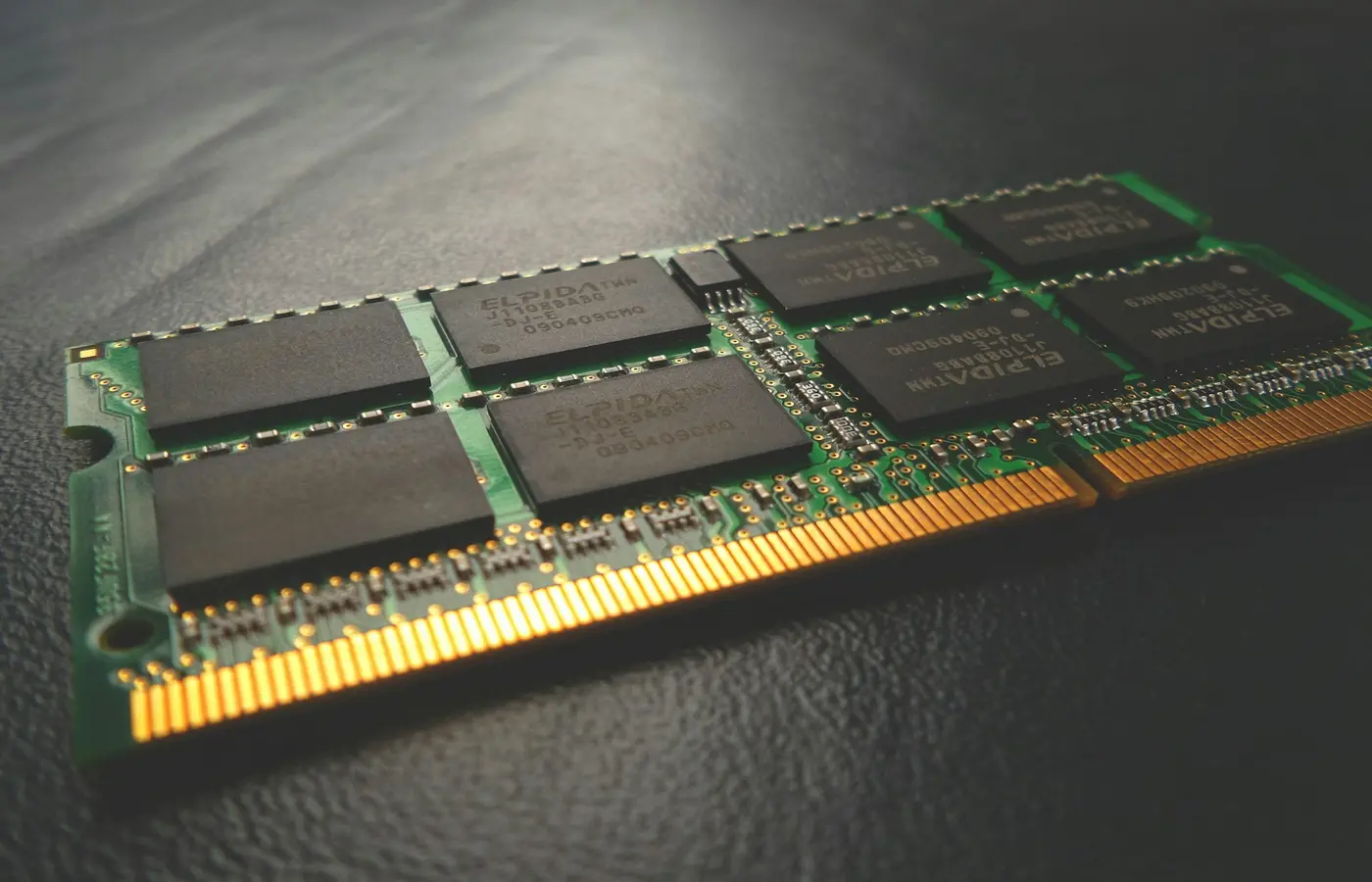
- Whether memory is soldered, socketed, or partly upgradeable
- Number of accessible slots
- Maximum supported capacity
- Whether an upgrade would require replacing an existing module
- Whether the service manual permits the procedure for your configuration
“Upgradeable” is not a universal label. A laptop may have one accessible slot, only soldered memory, or a maximum capacity that differs by processor or motherboard version. Treat the service manual as the authority for the exact model, and do not assume that a visually similar model has the same internal layout.
If memory is soldered and your workload is likely to grow, choose the capacity you need at purchase. An upgrade plan that depends on a slot the manufacturer does not document is not a reliable plan.
Storage
Confirm the installed capacity and the storage interface, then look for an official service or maintenance document showing whether a replacement drive or second drive is supported.
Check whether the listed capacity refers to the installed drive or a maximum supported capacity. Also verify whether the laptop uses a standard replaceable module, a less accessible arrangement, or storage that is not intended to be replaced by the owner.
Storage capacity is easier to change than memory on many laptops, but an upgrade can still involve compatible parts, screws, thermal components, operating-system migration, recovery media, and warranty considerations. Do not count an undocumented expansion path as part of the value of the laptop.
A useful general explanation of why processor tier names and laptop-family labels can mislead is available in this laptop specification comparison guide. Treat it as planning context, not as evidence for a particular current laptop or configuration.
Verify the Display, Ports, Charger, and Everyday Fit
Retailer listings often make these details look simpler than they are. Verify them against the exact manufacturer’s specification.
Display
Check the panel size, resolution, refresh rate, finish, touch support, and any published brightness or color information. If the manufacturer lists multiple panels for the same family, make sure the retailer’s exact part number points to the panel you want.
Resolution alone does not describe the whole display. A high-resolution panel may have different brightness, surface treatment, color characteristics, power demands, or refresh behavior from another panel in the same chassis. If display quality is central to your work, missing panel information should remain an unresolved item rather than being filled in from another review or configuration.
Published specifications are not the same as independent measurements. Manufacturer figures may describe design targets or typical capabilities, while measured behavior can vary by panel and test conditions. Do not assume an advertised number is a Laptop Advices measurement.
Ports and external displays
List every connection you need and verify more than the connector shape. For each relevant port, check:
- Data capability, if stated
- Display-output support
- Charging support
- Power-delivery limits
- Docking compatibility
- Connector version or standard
- Card-reader format and speed, if important
A USB-C port may support data, charging, video, or some combination of those functions. A port that accepts a familiar cable is not automatically suitable for a high-resolution display, a dock, or a power adapter. Use the manufacturer’s port diagram or technical specification for the exact model.
Also check whether a required feature needs a separate dock, adapter, higher-wattage charger, or specific cable. Include those accessories in the real purchase decision.
Charger and daily carry
Verify the included adapter wattage, plug type, regional compatibility, and whether the laptop can charge through USB-C. If a retailer says “charger included,” that does not necessarily answer which charger is included or whether it provides the power needed for demanding use.
Compare the laptop’s documented dimensions and weight with the charger and accessories you will actually carry. A compact laptop paired with a large adapter may fit your desk requirements but not your mobility requirements. Webcam, keyboard layout, touchpad, and included accessories should also be checked against the exact regional listing.
Check Software, Warranty, Serviceability, and Region
Hardware suitability can be undermined by ownership terms. Check these items before treating a laptop as ready to buy.
Operating system and software
Confirm the installed operating-system edition and language, not just the general platform. Verify support for required applications, virtualization, security tools, device-management systems, drivers, and peripherals. A model sold with one operating system may not have identical driver or feature support after a user-installed change.
For cloud-managed, school, or business systems, check policy requirements before purchase. Some environments require specific security features, management support, ports, or operating-system editions.
Warranty, returns, and service
Read the exact seller and manufacturer terms for your region. Check:
- Warranty length and provider
- Authorized service locations
- Return window and exclusions
- Accidental-damage coverage
- Dead-pixel or display terms, if relevant
- Whether warranty service is limited to the original region
- Whether the warranty transfers to another owner
- Parts availability and documented maintenance procedures
Do not infer repair quality, repair cost, update duration, or long-term reliability from a product badge or family reputation. Those are separate questions that require current, region-specific evidence.
For upgrades or maintenance, use the manufacturer’s service manual and follow its safety instructions. If opening the device could affect a warranty condition, or if the manual does not cover the procedure, contact the manufacturer or a qualified service provider instead of relying on a generic teardown.
Regional differences
The same family name can conceal regional differences in keyboard layout, operating system, wireless hardware, cellular support, power adapter, included language options, and warranty route. Confirm that the seller ships the configuration intended for your country or region.
A local price is also a dated condition, not a permanent product property. Record the price, seller, fulfillment method, and date checked. Avoid treating a temporary listing or promotion as proof that one configuration is always the better value.
Use a Checkout Verification Checklist Before Paying
Perform the final check from the actual checkout page, not only from a search result or comparison article.
- Confirm the exact part number or SKU. It should match the manufacturer documentation.
- Confirm the processor and graphics configuration. Record the full names.
- Confirm memory capacity and upgrade status. Do not rely on a family-level service manual.
- Confirm storage capacity and expansion. Check whether the advertised capacity is installed or merely supported.
- Confirm the display. Check resolution, refresh rate, touch support, and panel details where important.
- Confirm ports and charging. Verify the capabilities needed for your displays, dock, storage, and accessories.
- Confirm the operating system and keyboard layout. Check language and regional details.
- Confirm the included charger and accessories. Note adapter wattage and plug type.
- Confirm seller, fulfillment, returns, and warranty. Save the terms that apply to the order.
- Record price and availability with the date checked. These can change after publication or between checkout sessions.
Save a PDF, screenshot, or dated note containing the retailer listing and manufacturer’s specification page. This gives you a reference if the delivered unit differs from the advertised configuration.
The safest default is to postpone the purchase when the exact configuration cannot be confirmed. Ask the seller for the missing part number or clarification. If the retailer’s details conflict with the manufacturer’s page and neither party resolves the discrepancy, choose a listing with clearer documentation.
Frequently Asked Questions
Is the laptop family name enough to identify the configuration I am buying?
No. A family can include different processors, graphics options, displays, memory arrangements, storage devices, chargers, operating systems, and regional variants. Use the exact model number, part number, or SKU and reconcile it with the manufacturer’s documentation.
How can I tell whether laptop memory is upgradeable or soldered?
Check the manufacturer’s service manual or official maintenance documentation for the exact model. Look for statements about soldered memory, accessible slots, supported module types, and maximum capacity. Do not infer the internal layout from a different configuration in the same family.
Which laptop specifications should I verify directly with the manufacturer rather than trusting the retailer listing?
Verify the exact part number, full processor and GPU names, memory layout, storage interface and expansion, display panel details, port capabilities, charger, operating system, keyboard layout, warranty region, and service documentation. Retailer listings are useful for price and availability but may omit configuration-specific details.
What should I do when the retailer’s specifications conflict with the manufacturer’s page?
Stop before paying and ask the seller to confirm the exact configuration in writing. Compare the part number, not only the product title or photos. If the discrepancy remains unresolved, choose another listing or seller with a traceable configuration. Do not assume the more attractive specification is the one you will receive.