Best Laptops for College Students in 2026
Pick a 2026 college laptop by course software, portability, repair options, and exact configuration, with clear choices for general study, STEM, art, and tight budgets.
The best college laptop is the lightest reliable computer that runs every required application. Buying extra GPU power “just in case” often means carrying a heavier chassis and charger for four years; buying an elegant ultraportable before checking course software can be worse.
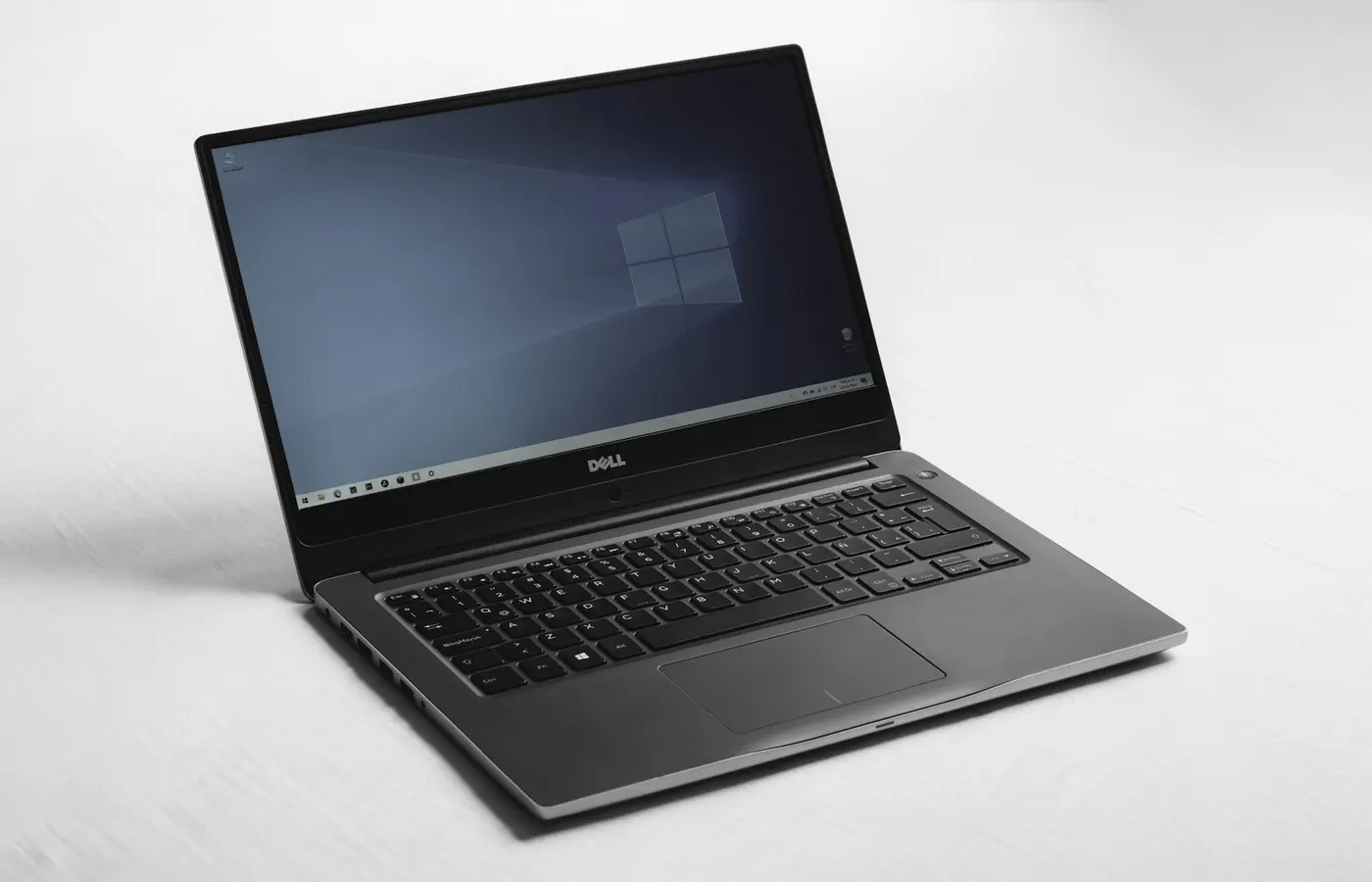
Quick verdict: a 13- or 14-inch MacBook Air M5 or a current Windows ultraportable with 16GB RAM and 512GB storage is the right default for writing, research, presentations, and ordinary coding. Choose a repairable budget Windows notebook when cost and serviceability lead. Choose a discrete-GPU laptop only for a documented engineering, architecture, 3D, video, or game-development requirement.
Best student-laptop choices by workload
| Student profile | Best-fit product type | Configuration to verify | Main reason not to buy |
|---|---|---|---|
| General study | 13–14-inch MacBook Air M5 or Windows ultraportable | 16GB RAM, 512GB SSD, USB-C charging | OS may not support a required app |
| Budget student | Serviceable 14-inch Windows laptop | 16GB, 512GB, IPS-class screen | Cheap SKUs can hide poor displays |
| Engineering/3D | 16-inch performance laptop | Department-approved CPU/GPU, 32GB option | Weight, fan noise, short unplugged runtime |
| Browser-first coursework | Chromebook Plus | 8GB+ RAM, 128GB+ storage | Windows/macOS software incompatibility |
| Visual arts | Color-capable 14–16-inch creator laptop | Exact gamut, calibration support, RAM | Premium display raises cost and power use |
Apple identifies the 2026 MacBook Air as the M5 generation, with 16GB unified memory and 512GB storage in the documented base configuration. That makes it a clear, fanless general-study candidate—but only after confirming macOS compatibility. Windows options are broader, so name the exact part number when comparing Dell XPS, Lenovo ThinkPad/IdeaPad, HP Pavilion/OmniBook, ASUS Zenbook/Vivobook, or Acer Swift/Aspire families.
Check the course before the computer
Search the department site for “system requirements,” then ask three specific questions:
- Is the required application available for the operating system and processor architecture?
- Are exams or proctoring tools restricted to Windows or macOS?
- Does the department provide lab, virtual-desktop, or remote GPU access?
Windows on Arm compatibility is much better than it was, but a requirement that says “Windows” does not automatically promise native Arm support for every driver, plug-in, or specialist application. Likewise, a Mac can be excellent for programming but wrong for a Windows-only CAD plug-in. A Chromebook is appropriate only if the whole workflow is web, Android, Linux-container, or remote-desktop compatible.
For video students, use the software vendor’s current requirements. Adobe’s published Premiere guidance, for example, recommends 16GB RAM for HD media and 32GB or more for 4K and higher on Windows. That is actionable evidence for buying 32GB; vague “future-proofing” is not.
What to prioritize for four years of use
Carry weight includes the charger
Compare laptop, charger, dongle, and protective case together. A performance laptop that rarely leaves a desk can be sensible; the same package is a bad daily burden for a student crossing campus. USB-C Power Delivery can let one compact charger serve several devices, but verify the wattage the laptop needs under load.
Memory before a small CPU upgrade
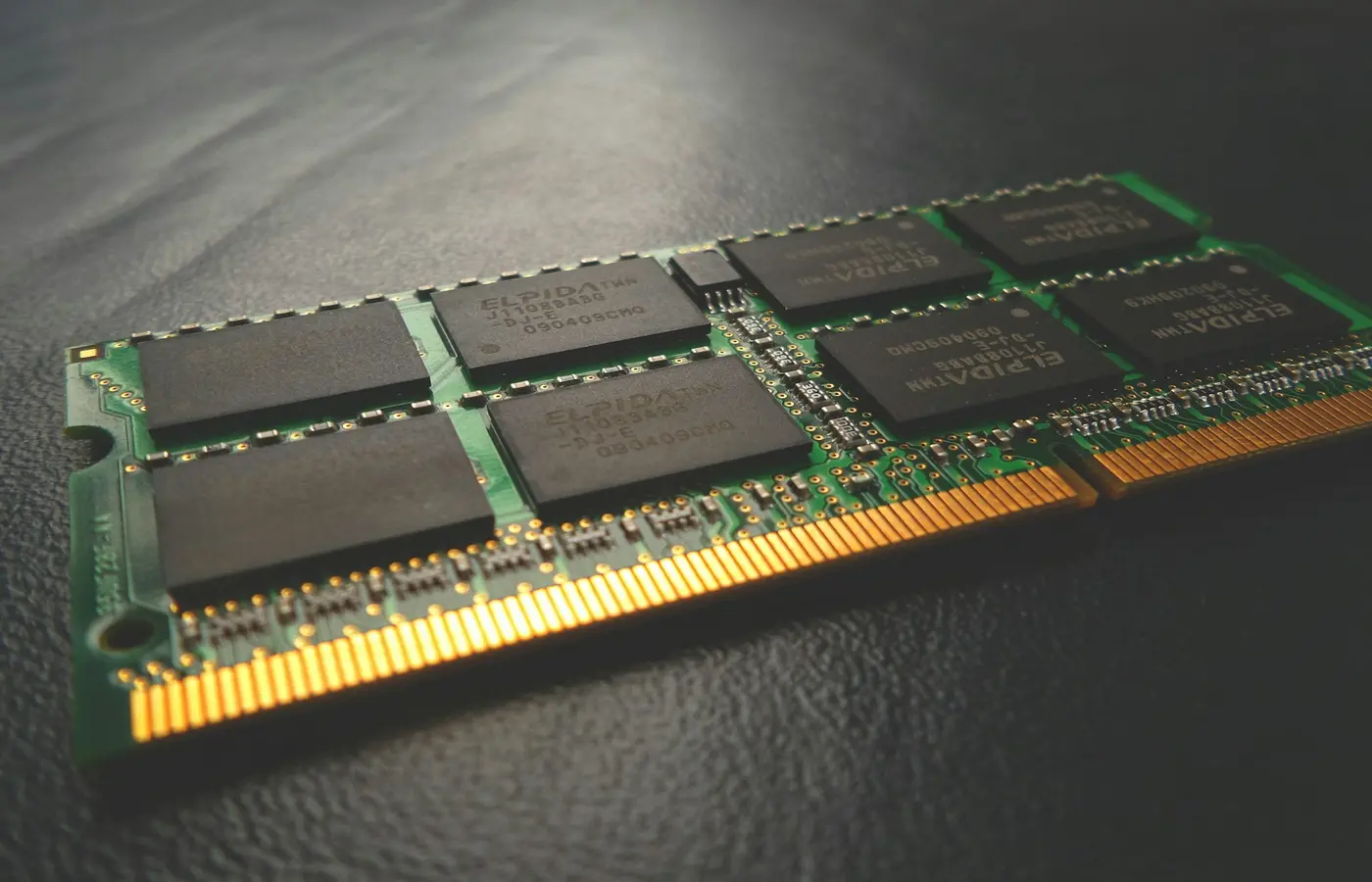
Sixteen gigabytes is the baseline for a new general-purpose machine. Choose 24GB or 32GB when the actual workload includes large media, multiple virtual machines, datasets, or an unupgradeable laptop intended for demanding work. Use our 16GB versus 32GB RAM decision guide instead of guessing.
A screen you can use in real rooms
Look beyond resolution. Check panel technology, brightness, finish, color coverage, touch support, and whether PWM sensitivity is a concern. OLED has superb contrast; IPS often offers a matte option and predictable static-workflow behavior. Our OLED versus IPS comparison maps those trade-offs.
Service and accidental damage
Read the service manual before assuming RAM, SSD, or battery replacement is simple. Soldered memory must be chosen at purchase. If the SSD is replaceable, learn the proper NVMe upgrade checks. Compare accidental-damage coverage against the cost of a realistic repair, not against fear.
A buying checklist for the final listing
- Record the manufacturer part number and full CPU name.
- Confirm 16GB or more RAM and whether it is upgradeable.
- Confirm 512GB or more storage, unless cloud-first use makes 256GB deliberate.
- Check camera resolution, microphone behavior from a credible review, and headphone requirements.
- Verify USB-C charging, display output, HDMI, and card-reader needs.
- Confirm keyboard region and accessibility requirements.
- Check warranty service near campus and the retailer return period.
Students under a strict cap should use the under-$700 buying guide to avoid configuration traps. Gaming students should separate coursework from recreation; our 1440p gaming laptop guide explains when a discrete GPU genuinely earns its weight.
Final recommendation
Buy a portable 16GB/512GB ultraportable for general college work, after the department confirms platform compatibility. Add memory or GPU only when named software, project size, or lab access justifies it. Skip premium thin-and-light models when a replaceable SSD, lower repair cost, or more ports matter more; skip gaming laptops when the required heavy work can be done in a campus lab.
Frequently asked questions
Is a MacBook Air M5 good for college?
Yes for students whose required software runs on macOS. The 2026 M5 Air is fanless and starts with 16GB unified memory in Apple’s documented specification, but it is not the safe choice for an unexplained Windows-only requirement.
Do college students need 32GB of RAM?
Most do not. Choose 32GB for verified 4K media, large data, virtual-machine, engineering, or development workloads—especially when memory is soldered.
Should a student buy a gaming laptop?
Only when GPU-accelerated course software or gaming is important enough to justify weight, noise, charger size, and reduced unplugged flexibility. Otherwise an ultraportable plus lab or desktop access is usually easier to live with.